What happened is recorded by a securityC camera. It can be prevented by a mobile patrol. That’s the whole argument for mobile patrol services and why commercial property managers, HOA boards and residential communities throughout the nation are replacing passive surveillance with active patrol coverage, the visible kind. The majority of the crimes, whether from vehicle break-in or vandalism, burglary or trespassing, are opportunistic. Offenders are searching for the “soft targets” – homes where there is little or no light, no security seen, and easily discernible routines they can take advantage of. Mobile patrol disrupts every one of those conditions simultaneously.
What Mobile Patrol Security Actually Is
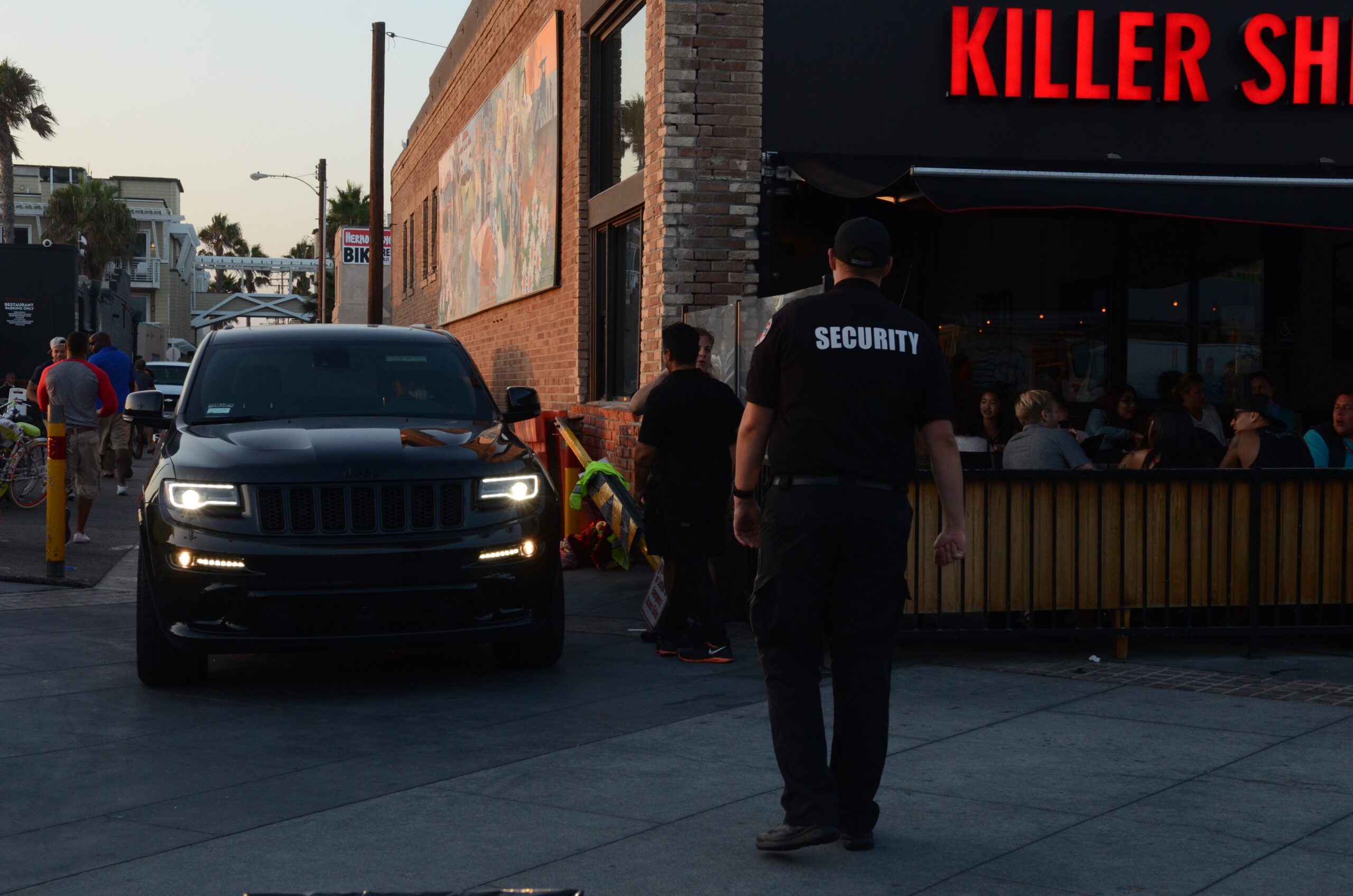
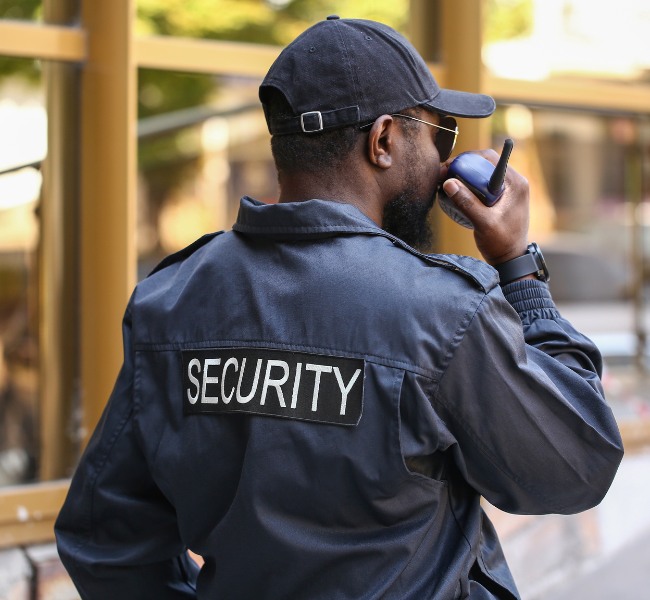
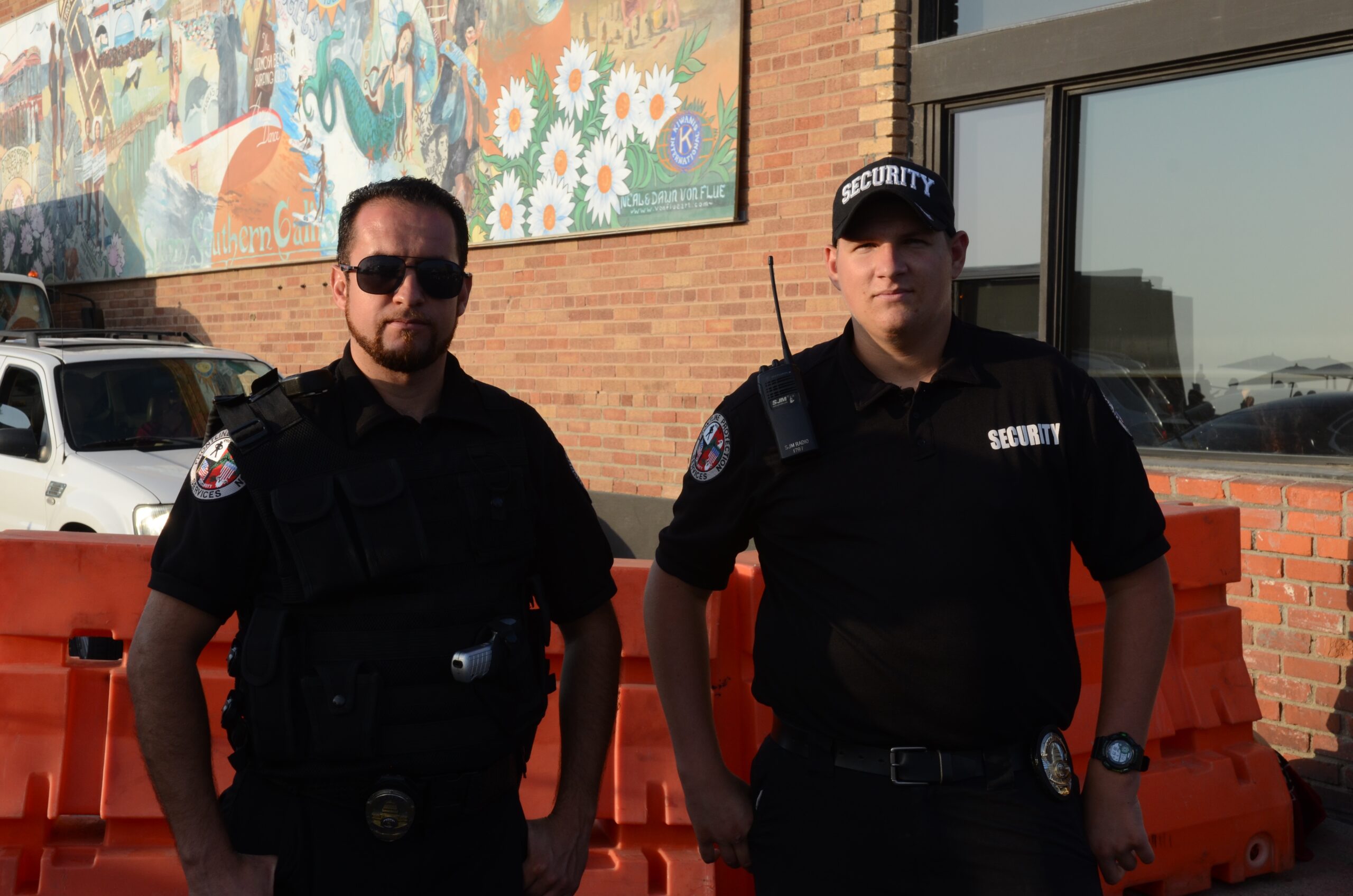
Mobile patrol security entails uniformed and trained security officers patrolling your property in marked vehicles on a schedule, at random times, or on a call.
A mobile patrol officer is different from a static guard, as he or she guards an entire property or several properties during one shift. Mobile Patrol Services are security patrols that are either scheduled or on-demand and have guards going from a number of client sites to verify the exterior of the property, respond to alarms, verify locks, and document incidents, with a random schedule and GPS verified logs of 15-25 properties per shift. Each checkpoint check is time-stamped and GPS-tracked and added to a digital reporting system accessible to clients in real-time.
The Criminological Logic Behind Mobile Patrols
To understand the effectiveness of mobile patrol it is necessary to understand how most crime is planned. Mobile Security Patrols are based on routine activity theory developed by the criminologists Marcus Felson and Lawrence Cohen, who considered that crime happens when three factors converge: a motivated offender, a suitable target and the absence of a capable guardian. Take any of those three components away and the chances of crime decreases. Mobile security patrols directly address the third: they put capable guardians in places where crime might otherwise go unchecked.
The mere presence of a marked patrol vehicle that cruises randomly through a premises drastically affects the equation of any person who is contemplating any kind of criminal act, and most opportunistic offenders simply go elsewhere.
Randomized Patrol Routes: Why Unpredictability Is the Point
A predictable patrol schedule is a security vulnerability. Experienced criminals case properties, identify guard patterns, and time criminal activity around gaps in coverage. Randomized patrol schedules make criminal activity at a site unpredictable. Today, with patrol systems that are GPS equipped and constantly monitored by dispatch, the operator can change all variables of the patrol in real-time, and make every visit unpredictable.
A good patrol company will install NFC checkpoint tags or QR codes at various points around the premises gates, loading docks, parking structure entrances, building perimeters. The result of each scan is a digital record of the fact that a guard visited that checkpoint at that time. GPS verification and checkpoint scanning are the norm for audit-ready and accountable mobile patrol service – 1995 style with paper logs and phone check-ins.
How Mobile Patrol Prevents Crime at Commercial Properties
Retail Centers and Shopping Complexes
Retail theft is estimated to cost the industry tens of billions of dollars a year. In-store loss prevention only begins at the end of business hours and the vulnerability window is far greater than just closing. Retail centers without an obvious security presence after-hours often experience after hours break-ins, smash and grab thefts and vandalism. Mobile patrols patrol parking lots, storefronts, loading areas and perimeter access points during the times when retail properties are most vulnerable.
Office Parks and Corporate Campuses
Mobile patrols cover large footprints, such as office parks, industrial facilities, mixed use development and retail corridors, which would be too costly to patrol with fixed posts. The deterrence effect of a single patrol officer on a commercial campus travelling on a random route can be far greater than the deterrence effect of several static guard positions because of the random nature of the patrol officer’s presence.
Warehouses and Industrial Sites
Valuable stock and equipment are frequently kept in warehouses and these are often targets for thieves. Mobile patrols offer interior and exterior monitoring, looking out for unauthorized access or suspicious activity around the perimeter. Security officers can patrol several areas within minutes of each other with the help of vehicles, ensuring that doors, gates, loading docks and weak spots around the perimeter are checked. Mobile patrols also ensure equipment is safe and security measures are in place after hours at industrial sites that have dangerous goods or high dollar equipment.
Automobile Dealerships
Car dealerships have large lots with high dollar vehicles, and they can be easily stolen and vandalized particularly after hours. These lots are patrolled by mobile patrols, who deter criminal activity and act swiftly to any incidents. When assessing how risky a vehicle theft is, having a patrol officer make multiple passes through a dealership lot each night at random times is far more difficult to overcome than an unmonitored lot covered by cameras.
How Mobile Patrol Prevents Crime at Residential Properties
HOAs and Gated Communities
When HOAs are responsible for providing shared facilities, such as swimming pools, fitness facilities, clubhouses and parking facilities, it is important to have patrol officers patrol these areas when they are closed to help prevent damage to the facilities as well as unauthorized use that can lead to liability for the association. A typical HOA patrol arrangement is comprised of three to six patrols per night working gates, pool areas, clubhouses and mail rooms and cost $1,000 to $2,000 a month, which is considerably less than the cost of a full-time gate guard for the same hours of coverage.
Apartment Complexes
Apartment complexes are a favorite destination for vehicle break-ins, package theft and trespassing in common areas. Mobile patrols cover all parking areas, laundry facilities, courtyards and building entrances at different times throughout the night. A marked patrol vehicle is very noticeable when making regular passes, and this is a good deterrent to opportunistic crimes that can’t be deterred by a static camera.
Residential Neighborhoods
Studies of residential burglary patterns consistently show that offenders avoid properties and neighborhoods where they perceive a higher risk of detection. Those risks shift drastically when a patrol vehicle is making frequent trips in a neighbourhood, particularly at night and early morning hours, when the majority of vehicle crime is committed. There is also a deterrent effect against theft of packages, vandalism, trespassing and loitering.
Alarm Response: What Happens When Something Triggers
Mobile Patrol Services are an integral part of the alarm response service, not an optional service. In the event of an alarm at a property, patrol dispatch center is able to locate the nearest mobile unit using GPS and direct them to the property. The mobile patrol security guards typically take 5-15 minutes to respond if there is an emergency or alarm.
This first-response capability is significant not only from a security perspective, but also from a broader standpoint. In cities with verified response laws, officers are the first to arrive on the scene to verify whether a crime is actually in progress or not. In these jurisdictions, if a responder is not verified the alarm activation is not actioned by law enforcement until the alarm is verified. Mobile patrol fills that gap directly.
Cost Comparison: Mobile Patrol vs Static Guard
The cost of a 24/7 standing guard can run over $15,000 monthly. Mobile patrols provide clients the option of paying for specific high impact check-ins at a much lower cost. Most companies can cut their monthly security costs in half by replacing 24/7 standing guards with mobile guard teams that visit multiple times a night.
The cost structure also scales more efficiently. The mobile patrol officer is able to patrol over an entire site, even over several locations, during one shift. The cost efficiency is even greater for multi-location commercial property owners, like a business park, a retail complex or an industrial estate. Within the static guard coverage, the hours and posts are directly proportional. As route density increases the coverage of mobile patrol can increase as operators with existing clients in an geographic area can provide better value on each of their patrol visits than operators that build routes from the ground up.
Conclusion
Mobile patrol security is very effective, as it addresses the specific issue that cameras and static guards cannot: it’s unpredictable, visible human presence at the right hours of the day, spread throughout an entire property, when the crimes are most likely to occur. Random routes, GPS verified checkpoints, speedy alarm response, and professional deterrence are all factors that makes its security environment a place that opportunistic criminals consistently avoid.
When commercial and residential properties require patrol coverage that is truly accountable, Supreme Shield, Inc. provides trained mobile patrol officers with GPS verified reporting, fast alarm response, and local presence to cover your property completely every patrol, every shift.